Traumatic brain injury in mice and pentadecapeptide BPC 157 effect
The assay buffer consisted of DMEM without phenol red (Gibco #11880-028) supplemented with 10 mM HEPES (Gibco #15630-056), 1X GlutaMAX (Gibco #35020-038), and 1% (w/v) ovalbumin (Sigma A5503), 0.1% (v/v) Pluronic F-68 (Gibco, #24040-032)
Key mechanisms include: Angiogenesis Promotion : It up-regulates vascular endothelial growth factor (VEGF), enhancing blood vessel formation to improve nutrient delivery to damaged tissues.[6] Nitric Oxide (NO) Modulation : BPC-157 interacts with the NO system to support vasodilation and anti-thrombotic effects, aiding in wound healing and reducing inflammation.[7] Growth Hormone Receptor Enhancement : It increases expression of growth hormone receptors, facilitating cell proliferation and repair in muscles, tendons, and ligaments.[8] Cytoprotection and Anti-Inflammatory Effects : By protecting cells from toxins (e.g., alcohol, NSAIDs) and modulating inflammatory pathways, it maintains tissue integrity, particularly in the GI tract and central nervous system (CNS).[9] Neuroprotective Interactions : It influences dopamine and glutamate systems, potentially mitigating brain damage from trauma or ischemia.[10] These actions make BPC-157 a versatile agent in regenerative medicine, often compared to "Wolverine-like" healing in anecdotal reports from users

The estimated oral dose range from animal research is approximately 18 mg/kg, but human pharmacokinetic parameters including bioavailability fraction, Tmax, and clearance remain entirely unknown
The transcription of Sele in the low-density lipoprotein pathway was upregulated by 4.00 folds, while Wisp in the Wnt pathway was upregulated by 2.21 folds
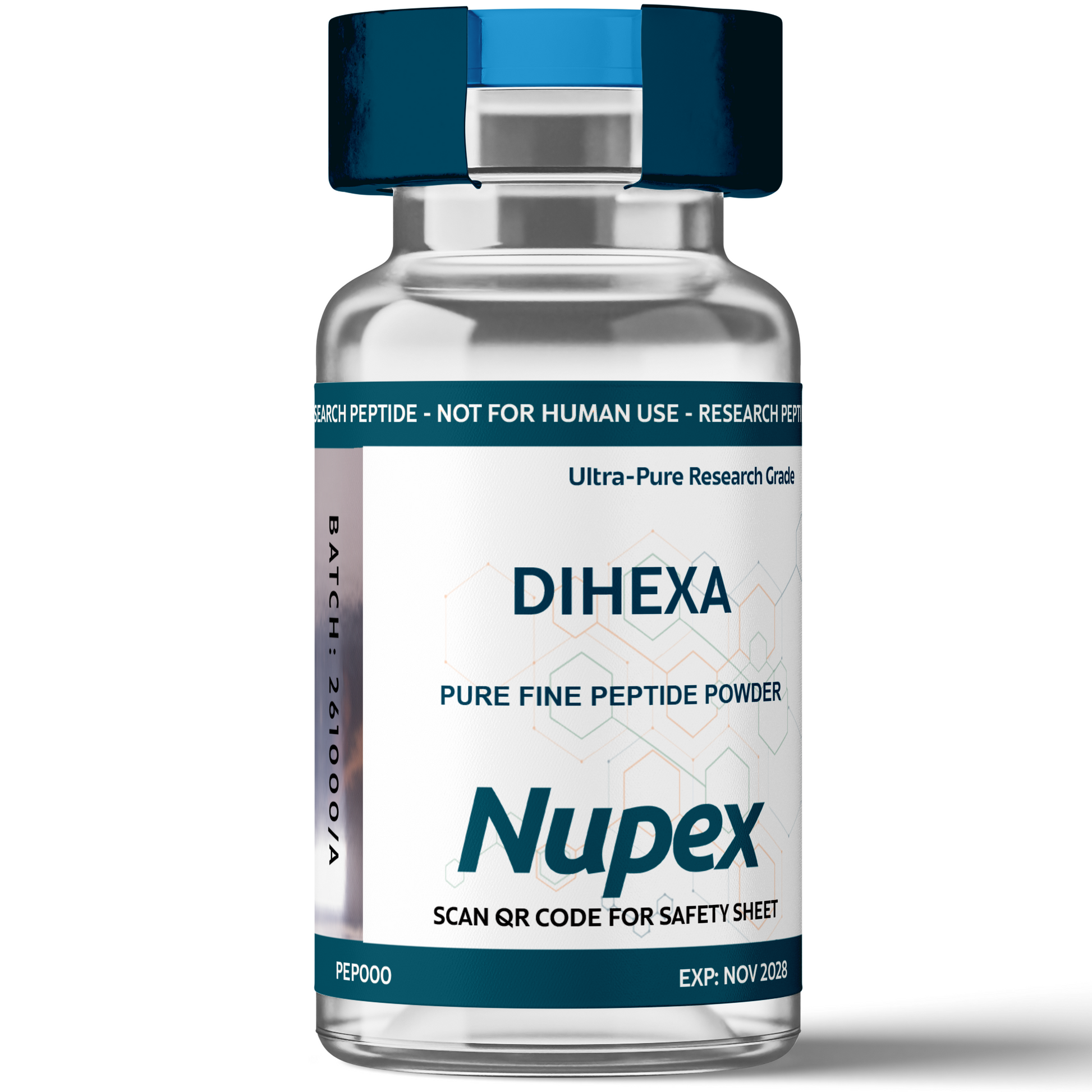
Peptides sold in the research-chemical channel are labeled for laboratory use, are not manufactured to pharmaceutical identity or purity standards, and cannot be assumed to match the trial material in content, dose, or purity